Get A Quote
Jul 20,2026
A pressroom that routinely loses plates to edge damage, light fogging, or developer contamination is not suffering from a manufacturing defect in most cases. The culprit is almost always found upstream: a plate storage room with uncontrolled humidity, a stack of plates stored horizontally under pressure, or an operator handling plates with bare hands on the image area. Each of these small errors shortens the usable life of a plate and produces remakes that consume time, chemistry, and aluminium.
Extending the service life of lithographic printing plates is not about buying a higher‑grade product; it is about controlling the physical and chemical environment from the moment the plates arrive at the loading dock until they are mounted on the press cylinder. The practices below apply to both double‑layer and single‑layer positive‑working thermal plates.
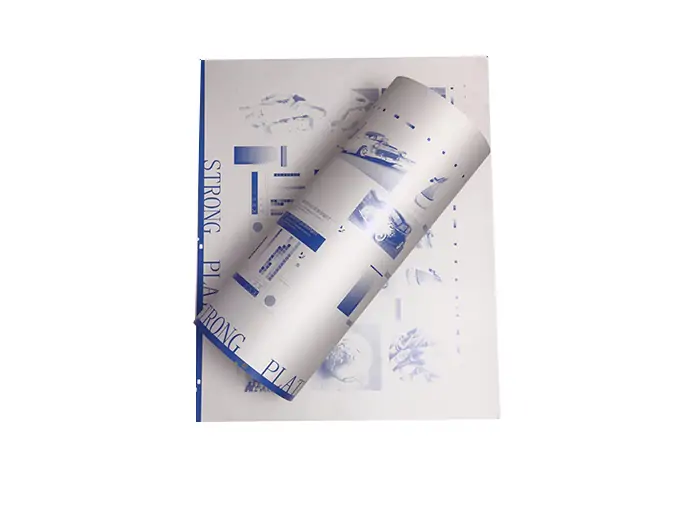
The storage environment is the single most important factor in plate longevity. The aluminium substrate is dimensionally stable, but the thermal coating is sensitive to heat, moisture, and ultraviolet light. A storage area that drifts outside the recommended range can degrade the coating before the plate ever reaches the imager.
Temperature and humidity targets. Most manufacturers recommend storage at 15 °C to 25 °C with relative humidity between 40% and 60%. Temperatures above 30 °C accelerate chemical ageing of the coating, reducing its sensitivity to the laser and potentially causing background fogging after development. Humidity above 70% can cause the aluminium to oxidise at the edges and can promote fungal growth on the coating surface. A simple digital thermo‑hygrometer installed in the storage area allows the pressroom manager to verify conditions at a glance.
Light control. Thermal plates are sensitive to ultraviolet and strong visible light. The original packaging provides light protection, but once the outer carton is opened, the plates should be stored in their black plastic inner wrapping until immediately before use. The storage area should be lit with amber or red safelights if plates are removed from packaging in that room. White fluorescent lighting should be avoided in any area where plates are unpacked or loaded into the CTP imager. For a full range of thermal CTP plates with robust coating stability, proper storage is the first line of defence against premature degradation.
Stacking orientation. Plates should always be stored flat, not on edge. Stacking plates horizontally distributes the weight evenly across the entire surface and prevents the bowing that occurs when plates lean against a wall for extended periods. The stack height should not exceed the manufacturer's recommendation – typically 50 to 100 plates, depending on the plate gauge – because excessive weight on the bottom plates can cause the coating to compress and create uneven imaging performance. When plates are stored for longer than two months, they should be rotated so that plates at the bottom of the stack are moved to the top, distributing the static load evenly across the inventory.
First‑in, first‑out rotation. Every box of plates should be labelled with the delivery date. Plates with the earliest date should be used first. A thermal coating does not have an indefinite shelf life; most manufacturers specify 12 to 18 months from the production date under proper storage conditions. Plates used beyond the recommended shelf life may show reduced sensitivity and require longer exposure times, which slows the CTP imaging process and can produce inconsistent dot reproduction.
The thermal coating and the anodised aluminium surface are both vulnerable to physical damage during handling. A scratch that is invisible to the naked eye can produce a visible print defect when the plate is developed and run on press.
Wear cotton gloves. Skin oils contain acids and salts that can react with the thermal coating and the aluminium substrate. A fingerprint left on the plate surface can etch into the coating and show up as a background stain on the printed sheet. Operators handling plates before imaging should wear clean, lint‑free cotton gloves. Gloves should be changed when they become soiled, and they should be stored in a clean, dry location when not in use.
Handle plates by the edges only. Even with gloves, contact with the image area should be minimised. Plates should be lifted by gripping the edges – ideally using both hands to support the plate and prevent bending. A plate that is picked up by one corner flexes under its own weight, and repeated flexing can cause the grain structure of the aluminium to work‑harden and eventually crack at the clamp edge. Plates that arrive at the press with cracked edges will tear during the run, causing blanket damage and extended downtime.
Protect the plate surface during transport. When plates are moved between the storage area, the CTP imager, and the processor, they should be transported in a clean, enclosed tray or on a dedicated plate cart. The transport path should be free of obstructions, and the cart wheels should be maintained to prevent vibration that can cause plates to shift and scratch against each other. Interleaving paper should be removed only at the point of loading into the imager, not in the storage area, so that the plate surface remains protected during transit.
Inspect plates before loading. A 30‑second visual inspection under safelight conditions before loading into the CTP imager can catch edge dents, surface scratches, or coating defects before they produce a wasted plate. The inspection should check the emulsion side for any marks, the back side for any aluminium burrs that could damage the imager drum, and the edges for any bends or cracks. A quality‑conscious pressroom keeps a simple log of plate defects and the plate batch number; a pattern of recurring defects often points to a handling problem upstream rather than a manufacturing issue.
Once a plate is imaged and processed, its remaining life depends on the cleanliness of the press and the compatibility of the press chemistry with the plate coating.
Keep the CTP drum and processor rollers clean. Dust, dried chemistry residue, and aluminium particles accumulate on the CTP drum and in the processor rollers. These particles can scratch the plate surface during imaging and development, creating fine lines that print as streaks. The drum should be cleaned daily with a lint‑free cloth and the recommended cleaning solution. Processor rollers should be cleaned weekly or whenever the chemistry is changed, and the roller pressure should be checked to ensure even contact across the plate width.
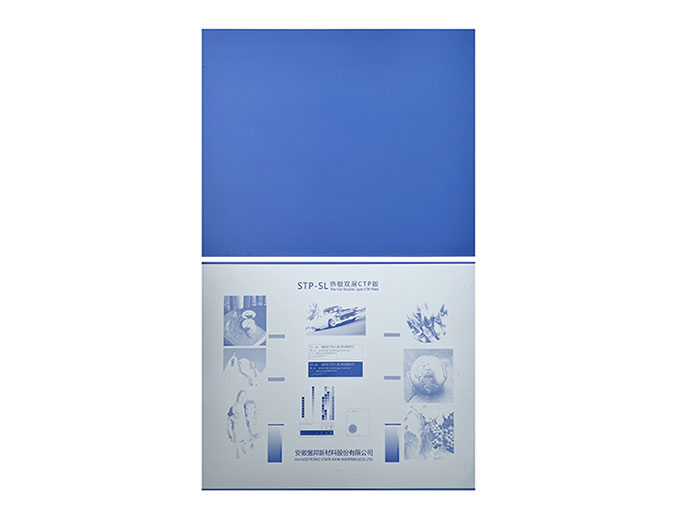
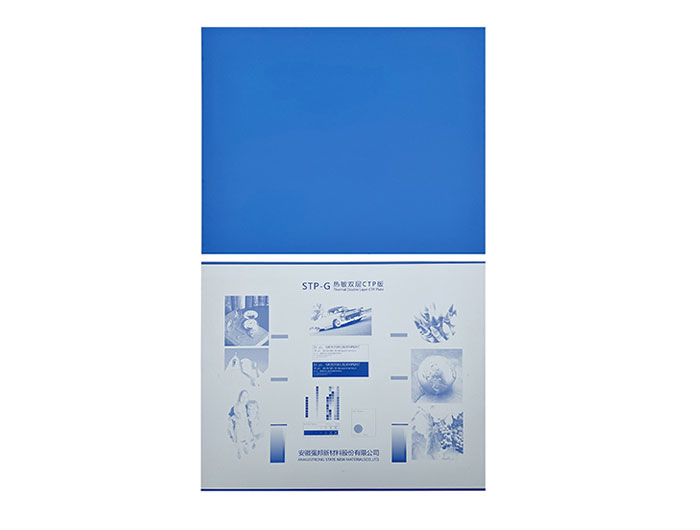
Monitor developer and finisher chemistry. Exhausted or contaminated developer produces inconsistent plate quality. The developer activity should be checked at the start of every shift with a control strip or a known test plate, and the replenishment rate should be adjusted based on the plate throughput rather than a fixed schedule. The finisher or gum solution that protects the non‑image areas of the plate must be compatible with the plate coating and with the press fountain solution. Using a finisher from a different chemistry family can cause the plate background to become ink‑receptive, producing toning on the printed sheet. For plates designed with no‑baking technology, such as the STP‑G two‑layer thermal plate, the developer and finisher recommendations are specified by the manufacturer and should be followed exactly.
Control the press fountain solution. The interaction between the plate coating and the fountain solution determines how cleanly the non‑image areas repel ink over the course of a long run. The fountain solution pH should be maintained within the plate manufacturer's recommended range – typically 4.8 to 5.5 for thermal plates – and the conductivity should be checked daily. Contaminated fountain solution can chemically attack the plate coating, causing gradual wear of the non‑image areas and background toning after 50,000 or 100,000 impressions.
The storage, handling, and pressroom practices above are not complex, but they must be performed consistently and verified regularly. A pressroom that establishes a written standard operating procedure for plate care, assigns responsibility for each task, and reviews compliance weekly will see fewer remakes, longer run lengths, and more consistent print quality than one that relies on individual operator habits.
For pressroom managers looking to standardise their plate handling procedures, working with a supplier that provides detailed storage and handling documentation is helpful. The STRONG range of thermal CTP printing plates is supplied with handling and storage guidelines that support the practices described above, ensuring that the plates perform consistently from the first impression to the last.
A thermal printing plate is a precision‑coated product that rewards careful handling with predictable, repeatable performance. The investment in proper storage conditions, disciplined handling practices, and clean pressroom chemistry pays back in fewer wasted plates, faster makereadies, and longer, cleaner press runs.
GET A QUOTE