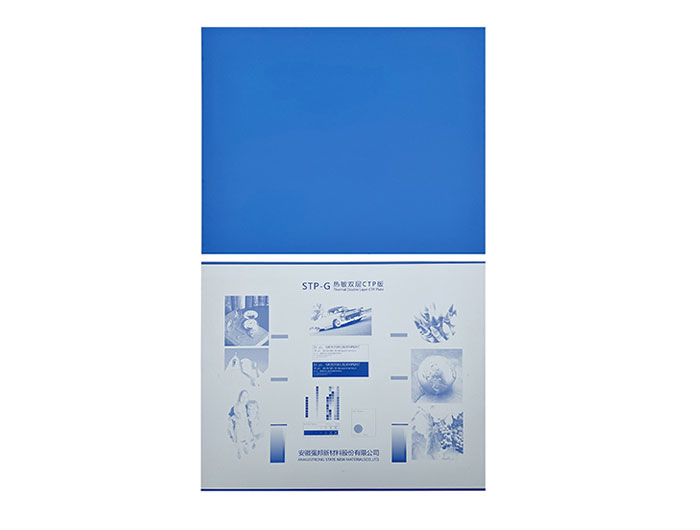
STP-G Two Layer Thermal No Baking CTP Plate

STP-G Two Layer Thermal No Baking CTP Plate has the advantages of fast exposure, high definition, low chemical pollution, long service life, good repeatability and excellent printing stability. The two-layer structure design improves printing quality and stability, reduces printing errors and downtime, and is suitable for high-quality printing needs, such as commercial printing, packaging printing, publishing printing and other fields. Compatible with major developers on the market.
STP-G Thermal CTP Plate
Key Features
p-d-2.png
Holds the finest detail without the need to back mask
p-d-3.png
Quick wash out
p-d-4.png
Requires minimum impression settings, giving good balance between solids and screens
Advantage

Resistant to UV inks and solvents

High sensitivity

Long runs on press without post-baking

Compatible with different developers

Technical specifications
Type Positive Thermal CTP plate
Spectral Sensitivity 800-830nm
Exposure Energy 120~130 mj/c㎡
Resolution 200 lpi ( 1~99%)
Run-Length 50,000~100,000 (UV-INK )
100,000~200,000( Conventional Ink )

*Run-Length varies with its printing conditions and imaging content
Recommended Products
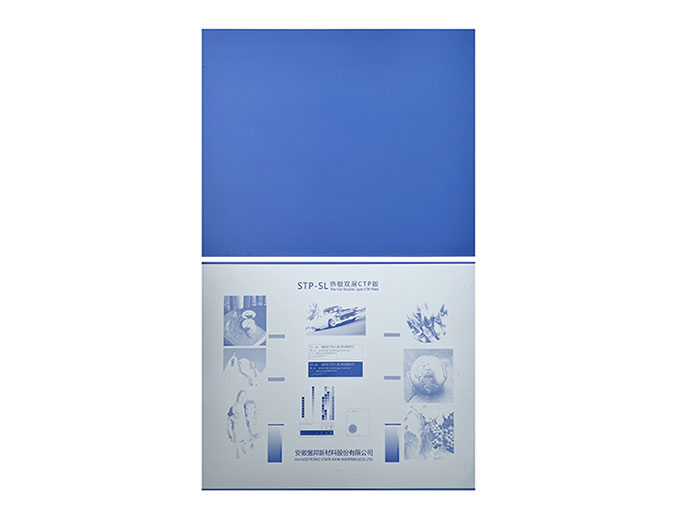
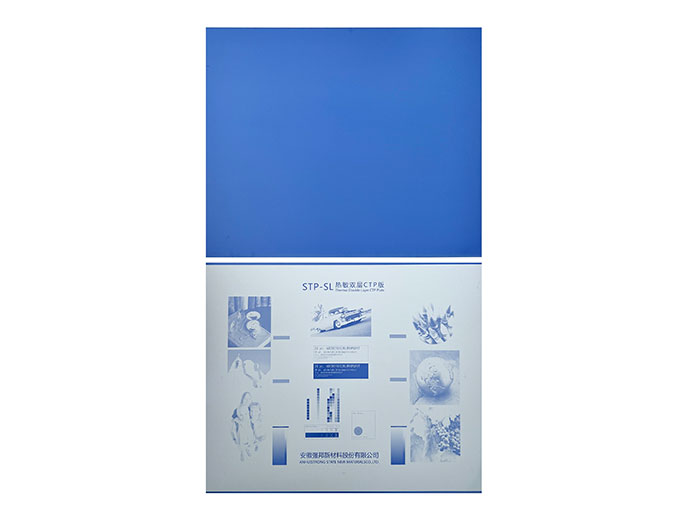
STP-SL Double layer Thermal CTP Plate
STP-SL Double layer Thermal CTP Plate has high chemical resistance when printing. Designed to provide printers with exce...
CTP-G Double layer Thermal CTP Plate
The CTP-G double-layer thermal CTP plate is manufactured on modern, fully automated production lines. It has high sensit...
STP-SL Grade A Positive Thermal Ctp Plate
STP-SL Grade A Positive Thermal CTP Plate is a highly sensitive, high-definition thermal CTP printing plate with the adv...
Latest updates
View all news
Aug 06,2026
Packaging printers face a fundamental choice when selecting printing plates: hard plates or flexible printing plates? The answer depends on your substrates, run lengths, design complexity, and press c
Jul 29,2026
Packaging printers face a unique set of demands: short runs, frequent design changes, a growing variety of substrates, and pressure to switch to water-based inks. Traditional printing plates often str
Jul 20,2026
A pressroom that routinely loses plates to edge damage, light fogging, or developer contamination is not suffering from a manufacturing defect in most cases. The culprit is almost always found upstrea
Jul 13,2026
A flexo plate that loses fine highlight dots or develops surface cracking after a few thousand impressions is rarely defective from the factory. In most cases, the damage began long before it appeared

GET A QUOTE

GET IN TOUCH NOW
Captcha Code
We value your privacy
We use cookies to provide you with a better online experience, analyse and measure website usage, and assist in our marketing efforts.
Accept All