Get A Quote
Oct 10,2024
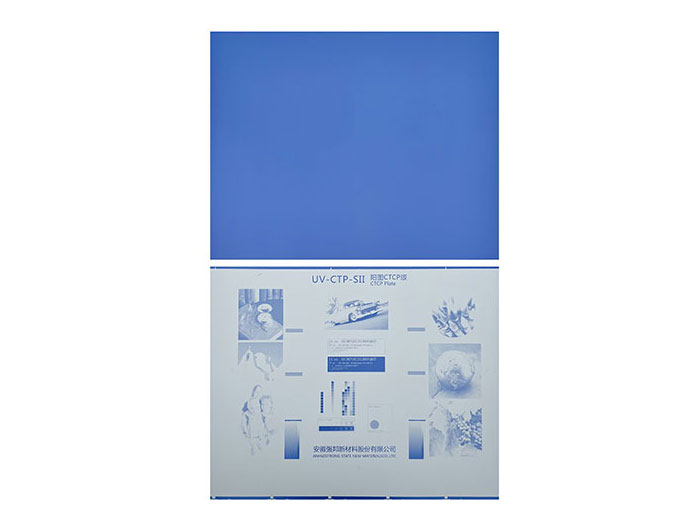
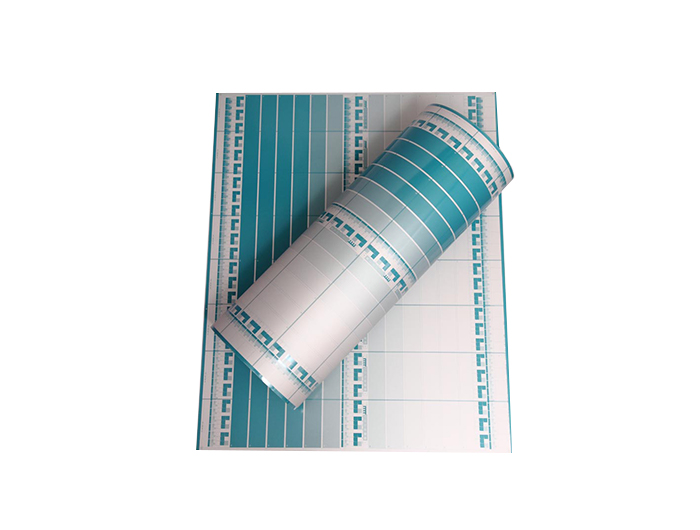
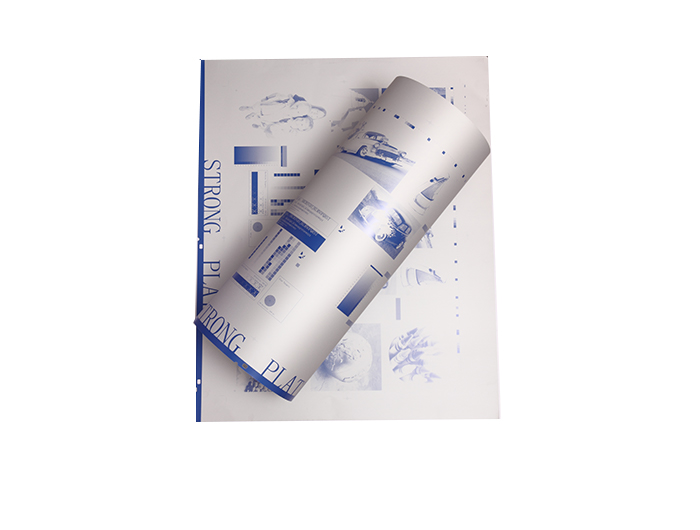
A Single Layer High Sensitivity Thermal CTP (Computer-to-Plate) Plate is an advanced printing technology used in the prepress process of commercial printing. This type of plate allows for high-quality image transfer directly from digital files to the printing plate, enhancing efficiency and accuracy in the printing workflow. With its single-layer design and high sensitivity, this plate offers several advantages for printers seeking to improve their production processes.
High Sensitivity: The thermal sensitivity of the plate allows for faster exposure times, enabling quicker turnaround in the printing process.
Single Layer Design: This design simplifies the plate-making process by eliminating additional layers, resulting in easier handling and processing.
Excellent Image Quality: The plate produces sharp, high-resolution images, making it suitable for detailed printing applications.
Durability: Single layer thermal CTP plates are designed to withstand the rigors of high-speed printing, reducing wear and extending the lifespan of the plates.
Compatibility: These plates are compatible with various thermal CTP imaging devices, allowing printers to integrate them easily into existing workflows.
Improved Efficiency: The quick exposure time reduces the overall time required for plate production, leading to faster job completion.
Cost-Effectiveness: By streamlining the plate-making process and reducing material waste, these plates can lower operational costs for printing businesses.
Enhanced Print Consistency: High sensitivity and durability contribute to consistent print quality across multiple runs, ensuring reliability in production.
Reduced Environmental Impact: Single layer plates typically require fewer chemicals for processing, contributing to more environmentally friendly printing practices.
Simplified Workflow: The elimination of additional layers and the straightforward processing requirements make it easier for operators to manage the plate-making process.
Commercial Printing: Widely used in various commercial printing applications, including brochures, catalogs, and packaging materials.
Publishing: Ideal for newspapers and magazines that require high-quality images and fast turnaround times.
Labels and Tags: Effective for producing labels that demand sharp graphics and text clarity.
Fine Art Reproductions: Used in fine art printing where color fidelity and detail are paramount.
Specialty Printing: Suitable for niche applications such as security printing and specialty packaging where precision is critical.
In conclusion, a Single Layer High Sensitivity Thermal CTP Plate represents a significant advancement in the printing industry, offering enhanced sensitivity, efficiency, and quality. Its features make it an invaluable tool for printers looking to optimize their workflows while maintaining high standards in print quality across various applications.
GET A QUOTE