
SF-GL Analog Flexo Plates

Medium Hard, High Speed
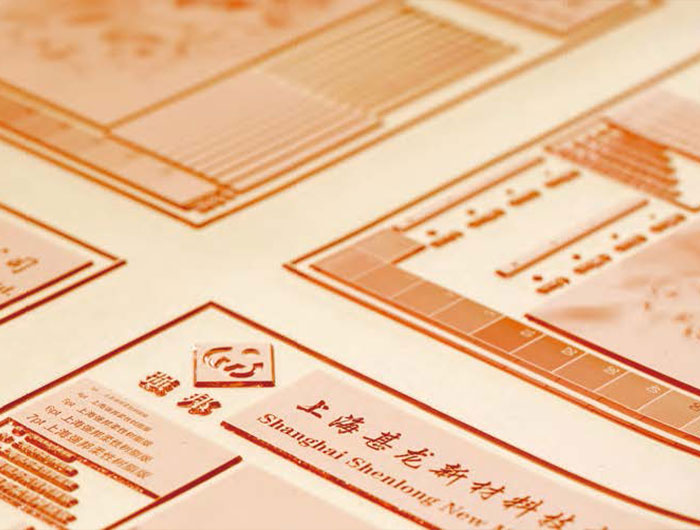
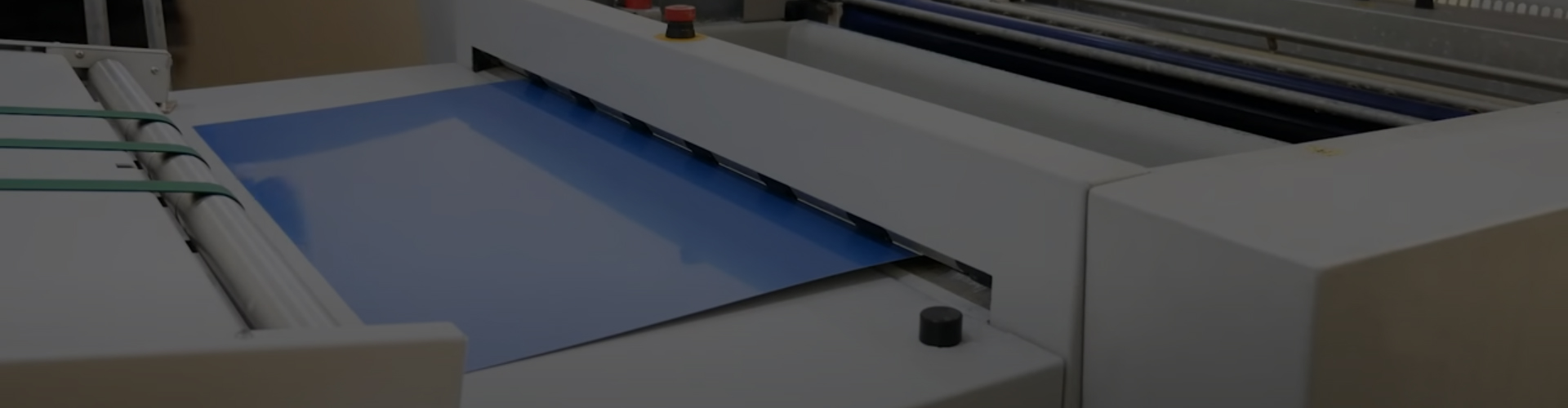
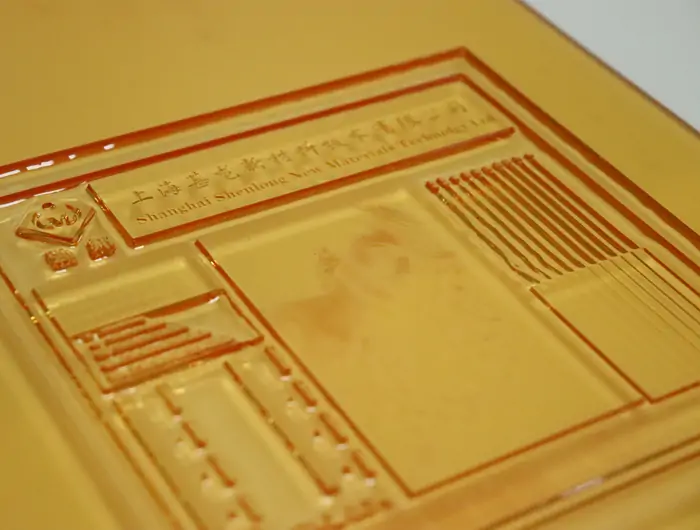
SF-GL is the newest medium durometer analog sheet photopolymer,which delivers higher quality print and increased productivity. SF-GL sheet photopolymer has exceptional resilience, allowing for faster press speeds and reduced bounce. Ink transfer is enhanced, delivering extremely smooth solids and crisp, clean running process.
SF-GL Analog Flexo Plates
Key Features
p-d-2.png
Holds the finest detail without the need to back mask
p-d-3.png
Quick wash out
p-d-4.png
Requires minimum impression settings, giving good balance between solids and screens
Advantage

Image fidelity for high-end graphic and halftone reproduction at all gauges

No cupping allows for uniform impression at all process speeds

High resilience and good resistance towards mechanical impacts deliver excellent durability

Excellent ink transfer using water and alcohol-based inks

Suitable for labels, tags, flexible packaging, sacks, folding carton, films and so on

Technical specifications
Thickness (mm/inch) Hardness (Shore Å) Total Range(%) Screen Ruling(LPI) Minimum Isolated Line Minimum Isolated Dot
1.70/0.067 63 2 ‒ 95% 133 0.15mm 0.25mm
2.28/0.090 54 2 ‒ 95% 133 0.15mm 0.25mm


Recommended Processing Conditions
Thickness (mm/inch) Back Exposure (s) Main Exposure (mins) Wash out (mm/mins) Drying Time (h) Post Exposure (mins) Detack(mins)
1.70/0.067 10-30 6-12 140-180 1.5-2 5min 5min
2.28/0.090 15-35 6-12 140-180 1.5-2 5min 3min

*Run-Length varies with its printing conditions and imaging content
Recommended Products
SF-LBS Analog Flexo Plates
SF-LBS is a new type of analog sheet photopolymer specifically designed for Japanese and Korean corrugated market. It ha...
SF-L Analog Flexo Plates
SF-L is the next generation sheet photopolymer specifically designed to address all direct print corrugated board requir...
SF-GT Analog Flexo Plates
SF-GT is the next generation sheet photopolymer specifically designed to address all direct print corrugated board requi...
Latest updates
View all news
Oct 12,2026
Plate edge lift is one of the most common—and most frustrating—problems in flexographic printing. When a plate edge lifts from the mounting tape, ink transfers to areas that should be unprinted, causi...
Sep 28,2026
A flexographic printing plate is only as good as the process that made it. Back exposure, main exposure, washout, drying, post-exposure, and detacking—each step builds on the one before. If back expos...
Sep 23,2026
Flexographic printing depends on a precisely controlled sequence of ink transfers: from the ink fountain to the anilox roll, from the anilox roll to the printing plate, and finally from the plate to t
Sep 10,2026
Flexo plate hardness—measured on the Shore A scale—is one of the most important specifications for print quality. A plate that is too soft compresses too much under pressure, causing dot gain and slur...

GET A QUOTE

GET IN TOUCH NOW
Captcha Code
We value your privacy
We use cookies to provide you with a better online experience, analyse and measure website usage, and assist in our marketing efforts.
Accept All